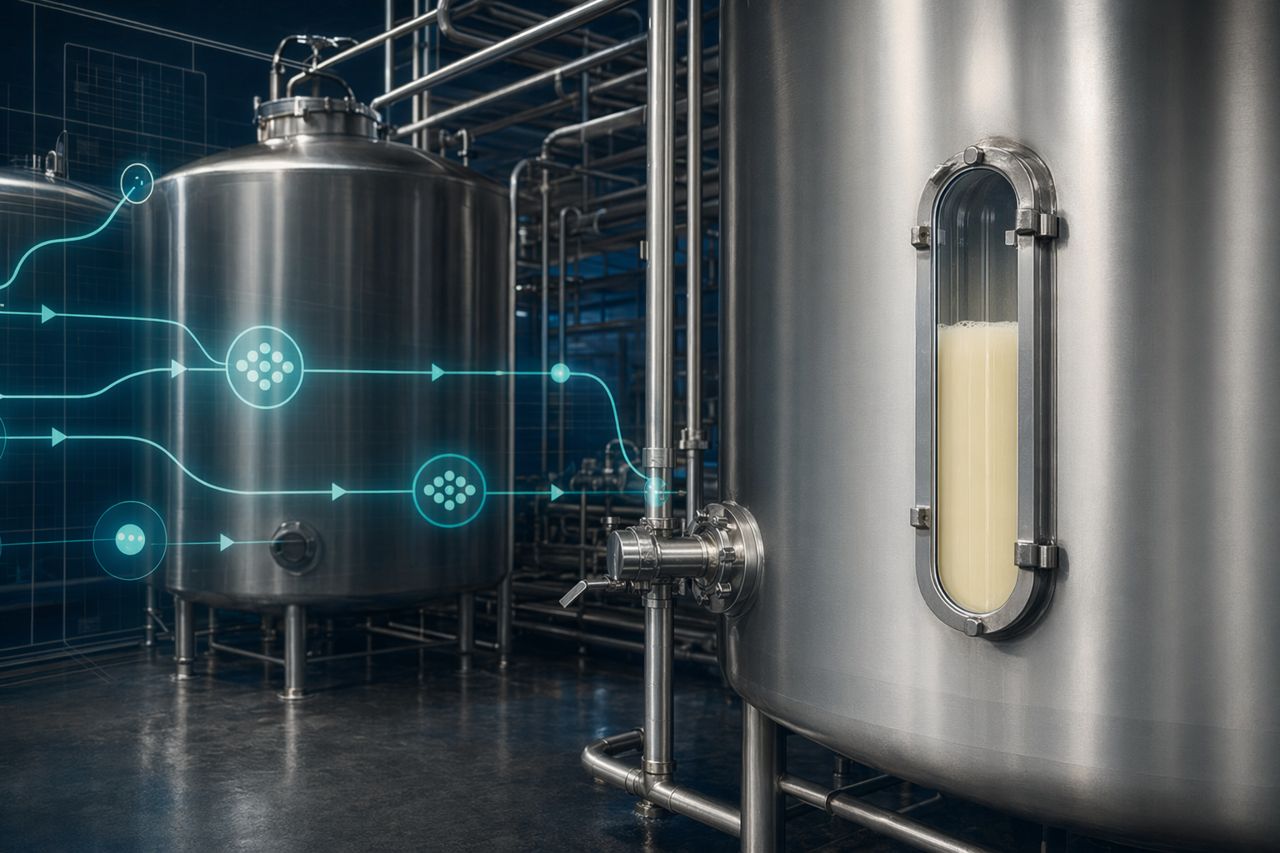
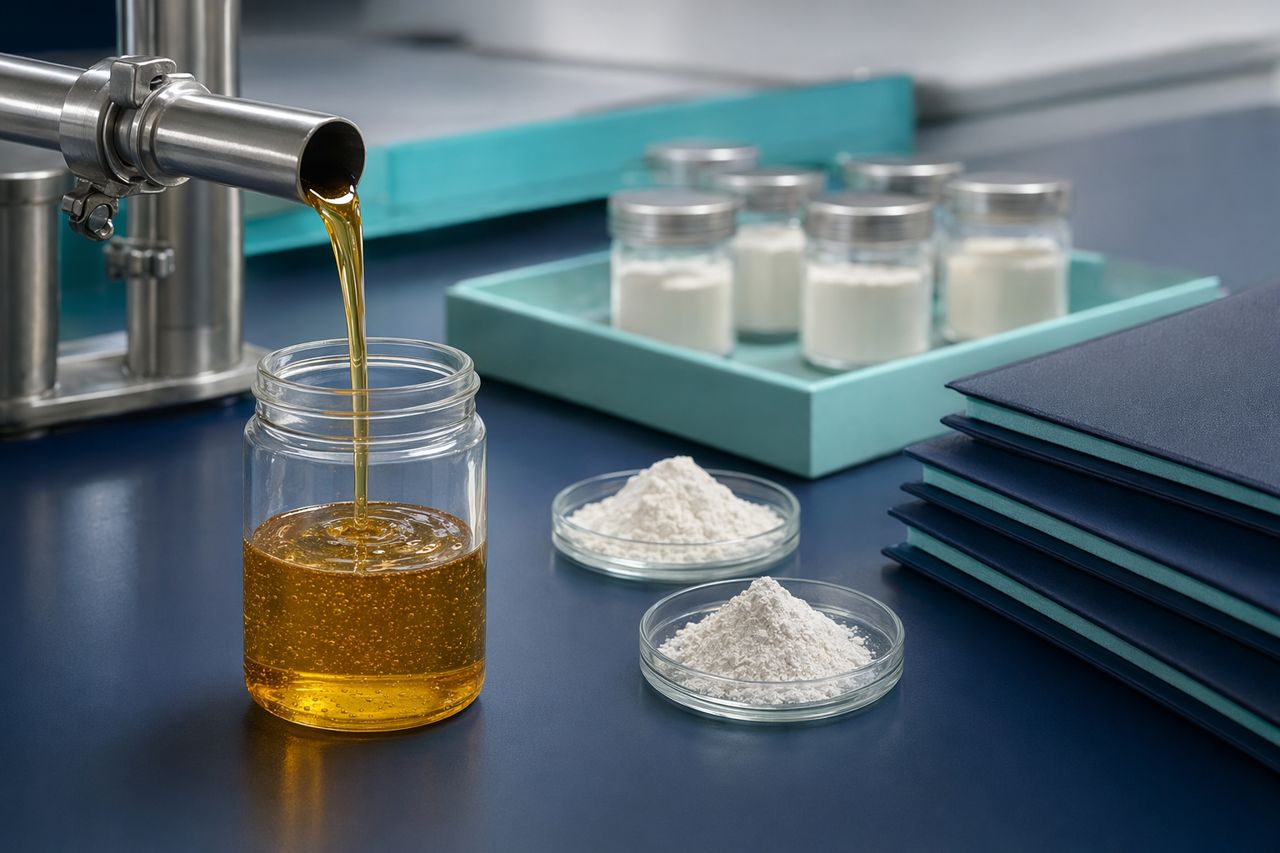
Whey and whey permeate are not just side streams. They are concentrated lactose systems with real commercial potential when the right enzyme strategy is applied.
Lactase (β-Galactosidase) hydrolyzes lactose into glucose and galactose, changing how permeate behaves in processing, formulation, drying, fermentation, and downstream use. For dairy processors, ingredient manufacturers, and co-packers, that can mean better solubility, more controlled sweetness, improved stability, and a stronger value story for streams that are often sold below their technical potential.
We supply lactase in bulk to whey processors, permeate driers, co-packers and the traders that buy from them, for whey, whey permeate, delactosed whey, permeate syrups and other lactose-rich process liquids.
Wholesale and bulk supply for whey processors and resellers. Request a quote with the stream, the quantity and the delivery country. Prices and lead times are quoted per order.
Why whey permeate needs a conversion strategy
Whey permeate is rich in lactose and minerals. That makes it useful, but also operationally demanding.
Common challenges include:
- Lactose crystallization during concentration, cooling, or storage
- Limited sweetness compared with hydrolyzed carbohydrate systems
- Solubility limits in high-solids formulations
- Processing instability in syrups, concentrates, and powders
- Variable performance in fermentation applications
- Low-margin positioning when sold as an undifferentiated dairy by-product
Lactase changes the carbohydrate profile of the stream. Instead of treating lactose as a constraint, processors can convert it into a functional ingredient platform.
What lactase does in whey and permeate
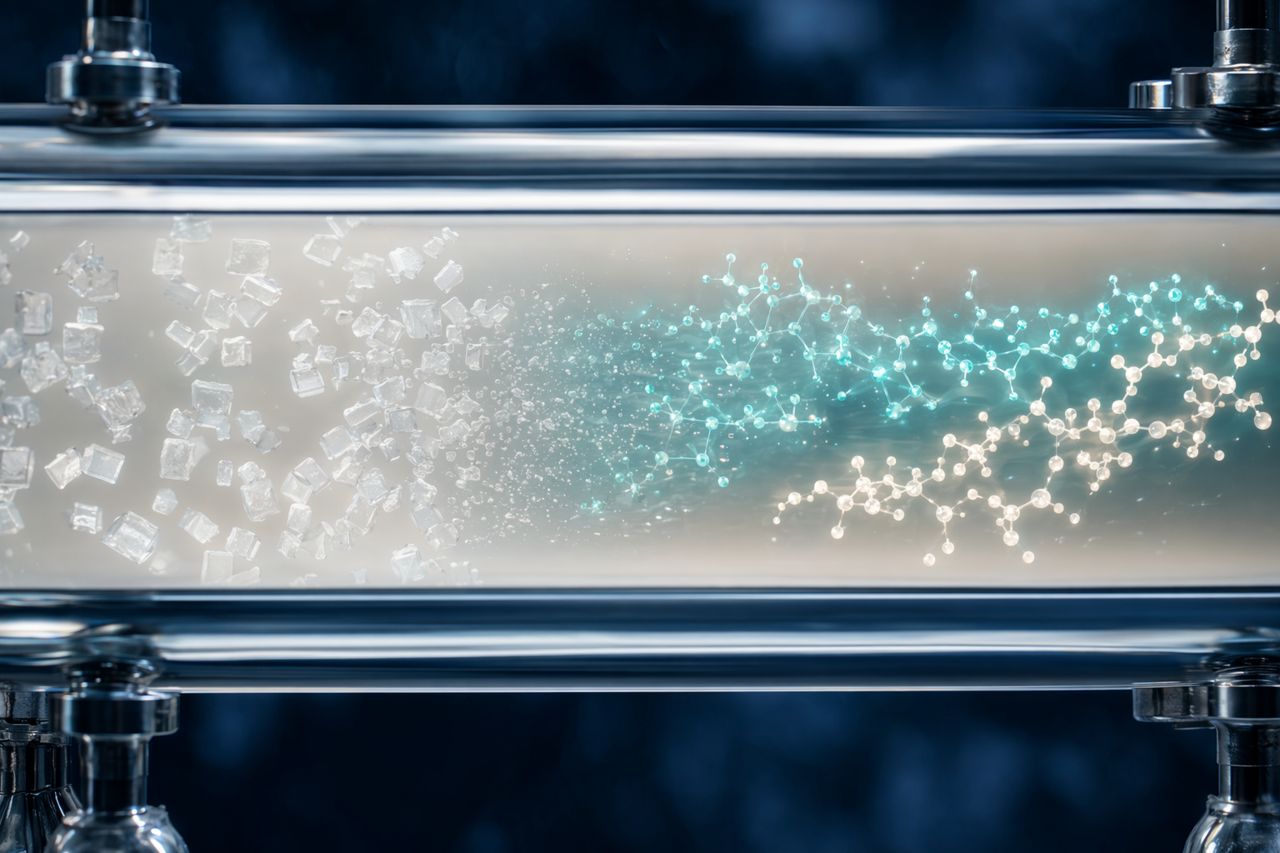
Lactase cleaves lactose into two monosaccharides: glucose and galactose. This conversion affects both functionality and commercial positioning.
Key outcomes can include:
- Higher perceived sweetness without adding sucrose or high-intensity sweeteners
- Improved solubility versus untreated lactose-rich systems
- Reduced crystallization pressure in syrups, concentrates, and finished matrices
- Better fermentation accessibility for organisms that prefer simple sugars
- Cleaner label development by generating sweetness from the dairy stream itself
- Expanded ingredient value for applications beyond commodity permeate
The result is not simply lactose reduction. It is controlled transformation of a dairy side stream into a more usable carbohydrate system.
Where hydrolyzed whey permeate creates value
Permeate syrups and concentrates
Hydrolyzed permeate can support sweeter, more fluid syrup systems with reduced lactose crystallization risk. This can help ingredient teams develop dairy-derived sweetening systems for beverages, bakery, confectionery, sauces, frozen desserts, and nutritional products.
Fermentation feedstocks
Many fermentation platforms perform better when lactose is converted into glucose and galactose. Lactase treatment can make whey-derived streams more accessible for cultures used in food, beverage, bioprocessing, and specialty ingredient production.
Dairy and nutrition formulations
In dairy beverages, cultured products, and nutritional systems, lactase-treated streams can support lactose reduction, sweetness balancing, and smoother sensory design while maintaining a dairy-origin carbohydrate base.
Powder and dry blend positioning
For powders, the goal is often specification control: managing carbohydrate profile, reducing lactose-related instability, and enabling a more differentiated ingredient claim for customers seeking functional dairy solids.
Process integration considerations
Lactase performance depends on the stream and the target outcome. Whey and permeate systems vary in solids, mineral load, pH, heat history, and microbial controls. A practical enzyme program starts with the process reality, not a generic dose.
Key variables to define before selection:
- Whey type: sweet whey, acid whey, permeate, delactosed stream, or blended dairy liquid
- Target outcome: lactose reduction, sweetness lift, crystallization control, fermentation readiness, or ingredient differentiation
- Process format: batch tank, in-line hold, pre-concentration, post-concentration, or pre-drying
- Operating window: pH, temperature profile, holding time, and downstream heat treatment
- Solids level and viscosity at the point of enzyme contact
- Desired residual sweetness and reducing sugar profile
- Microbial, allergen, non-GMO, kosher, halal, or regional documentation needs
Lactase Enzyme Solutions helps buyers align lactase grade selection with the commercial target: faster processing, stable conversion, reliable handling, and documentation that fits industrial procurement.
Choosing the right lactase grade
Not every lactase is appropriate for every whey stream. Selection typically depends on pH window, temperature profile, desired speed of hydrolysis, ingredient declaration requirements, and downstream processing.
For example:
- Neutral lactase systems may fit certain sweet whey and dairy-liquid processes.
- Acid-tolerant lactase systems may be relevant for lower-pH whey streams.
- Liquid formats can simplify metering into tanks or in-line systems.
- Granular or powder formats may fit dry blending, premix, or controlled handling workflows.
The right choice is the one that reaches the conversion target without disrupting flavor, color, microbial controls, or downstream equipment performance.
Commercial benefits for whey processors
A well-designed lactase program can support:
- Higher-value ingredient positioning for permeate and whey-derived streams
- Reduced dependence on commodity lactose markets
- More flexible formulation pathways for customers
- Improved sensory contribution through dairy-derived sweetness
- Better process predictability in syrup and concentrate production
- Stronger technical specification packages for B2B sales teams
This is where enzymology becomes a margin tool. Lactase turns an operational side stream into a controllable ingredient system.
Buyer checklist for lactase sourcing
Before requesting pricing, prepare the following details:
- Stream type and approximate composition
- Current process stage where lactase would be added
- Desired lactose reduction or functional target
- pH and temperature range during enzyme contact
- Hold time available before heat treatment, concentration, drying, or fermentation
- Final product format: liquid, syrup, concentrate, powder, or fermentation medium
- Documentation requirements for the target market
- Trial volume, commercial volume, and delivery preference
This information allows a supplier to recommend a lactase format and specification pathway with fewer sampling cycles.
Frequently asked questions
Can lactase increase the value of whey permeate?
Yes. By hydrolyzing lactose into glucose and galactose, lactase can improve sweetness, solubility, crystallization behavior, and fermentation usability. These changes can support higher-value applications than untreated permeate.
Is lactase treatment only for lactose-free dairy?
No. Lactose reduction is one use case, but whey permeate valorization often focuses on sweetness control, syrup stability, fermentation readiness, and ingredient differentiation.
Does hydrolysis affect flavor?
It can. Glucose and galactose create a sweeter profile than lactose. The target conversion should be matched to the desired sensory and processing outcome.
Can lactase be used before drying?
In many processes, yes. The best addition point depends on solids, viscosity, temperature, microbial controls, and the desired powder specification.
What documentation should buyers request?
Typical B2B documentation may include specification sheet, safety data sheet, allergen statement, country-of-origin details, dietary certifications where available, and regulatory suitability for the intended market.
Request pricing or technical matching
We supply lactase for whey and permeate valorization.
Our stock grade is acid lactase powder in 1 kg packs, in three activity grades. For neutral liquid grades, ask us.
Send us:
- the stream and its lactose level, if you know it
- pH and temperature at the point of dosing
- what the treated stream becomes (syrup, powder, feedstock)
- the quantity per order or per month
- the delivery country
Prices, quantities and lead times are quoted per order.