Lactase in Ice Cream and Frozen Dairy Desserts
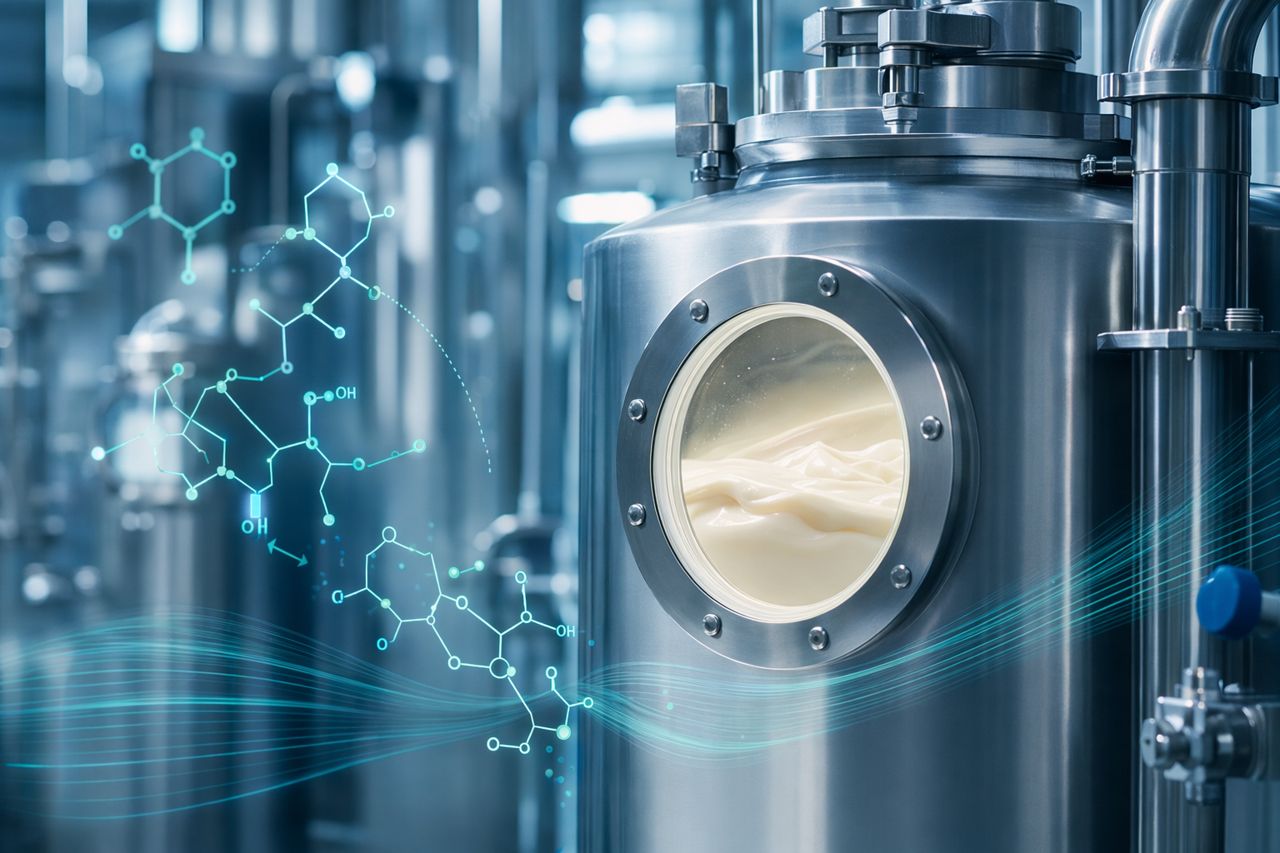
Ice cream is a precision system: dairy solids, sugars, fat, stabilizers, air, freezing profile, and distribution temperature all compete for control. Lactase gives formulators another lever. By hydrolyzing lactose into glucose and galactose, Lactase (β-Galactosidase) can reduce lactose crystallization risk, reshape sweetness, and improve the eating quality of frozen dairy systems without adding another declared sweetener.
We supply lactase in bulk to ice cream and frozen dessert makers and to the distributors that serve them. For a producer the value is smoother texture through storage, a lactose-reduced claim and more room in the sugar budget.
Wholesale and bulk supply for ice cream and dessert makers and resellers. Request a quote with the mix type, the quantity and the delivery country. Prices and lead times are quoted per order.
Why lactase matters in frozen dairy
Lactose behaves differently from sucrose, glucose syrup, and milk proteins. In ice cream mix, excess lactose can become a texture liability, especially in high-solids formulas, condensed dairy systems, whey-containing mixes, and products exposed to heat shock.
Lactase converts lactose into smaller sugars that are more soluble and more sweet. That single reaction can help manufacturers address several development targets at once:
- Lower lactose content for lactose-reduced or lactose-free frozen dairy concepts
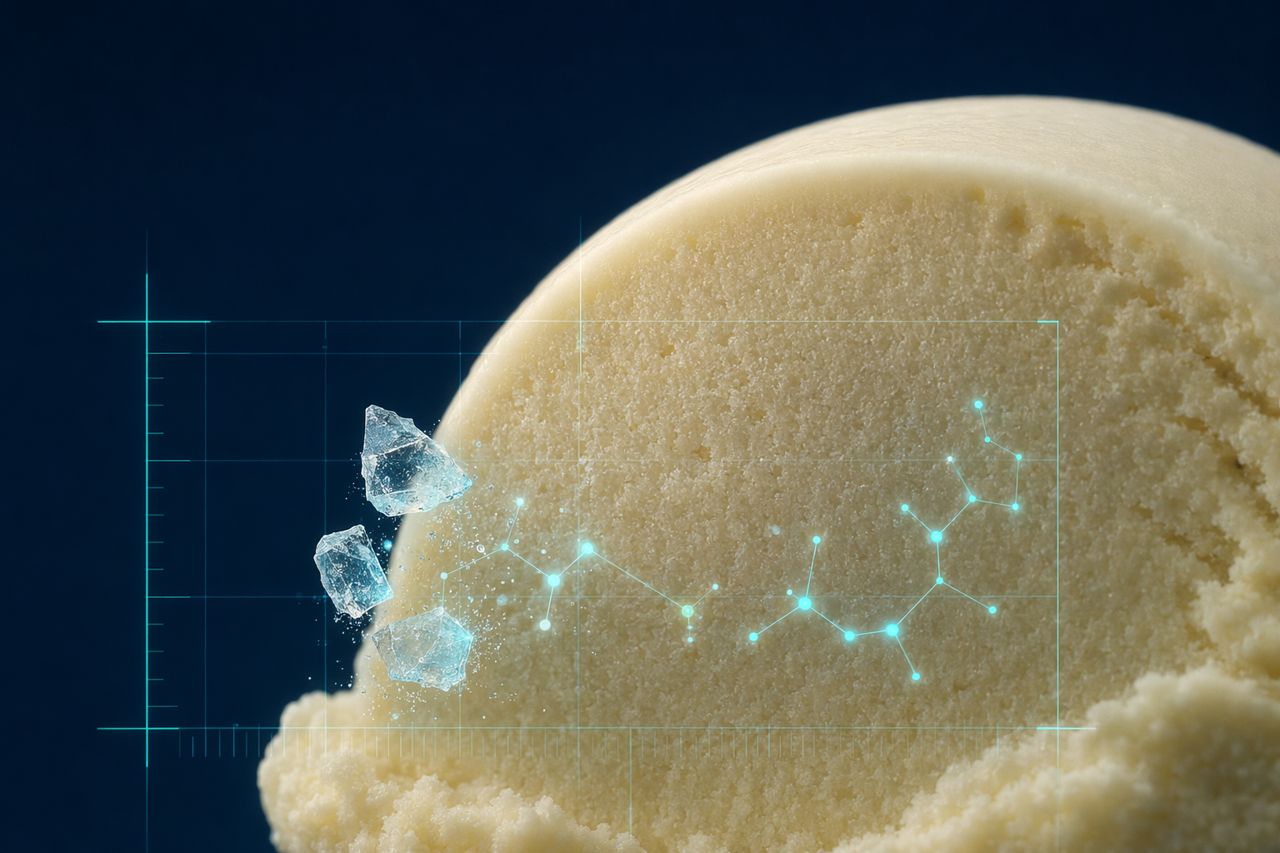
- Reduced sandiness caused by lactose crystallization during storage
- Higher perceived sweetness without adding more sucrose on the label
- Improved scoopability through changes in freezing behavior
- Cleaner formulation architecture by using the dairy matrix itself as part of the sweetness system
- Better tolerance of high dairy-solids formulas where lactose loading is elevated
The formulation effect: lactose reduction plus sweetness control
When lactase hydrolyzes lactose, it generates glucose and galactose. These monosaccharides contribute more sweetness than lactose and can influence freezing point depression. In practical terms, this lets product developers rebalance sweetness, body, and texture instead of simply adding sugar.
Common commercial objectives
| Objective | How lactase supports it | Formulation note |
|---|---|---|
| Lactose-reduced ice cream | Converts lactose before freezing | Define the claim target early and verify with finished-product testing |
| Smoother texture | Reduces crystallizable lactose load | Most relevant in high-solids dairy mixes and long shelf-life channels |
| Sugar optimization | Increases sweetness from milk-derived sugars | May allow sucrose or syrup reduction depending on flavor system |
| Softer scoop profile | Changes soluble sugar composition | Balance against meltdown, body, and serving temperature |
| Premium clean label | Uses enzymatic conversion instead of adding extra sweeteners | Works well when paired with simple dairy-forward positioning |
Where lactase fits in the ice cream process
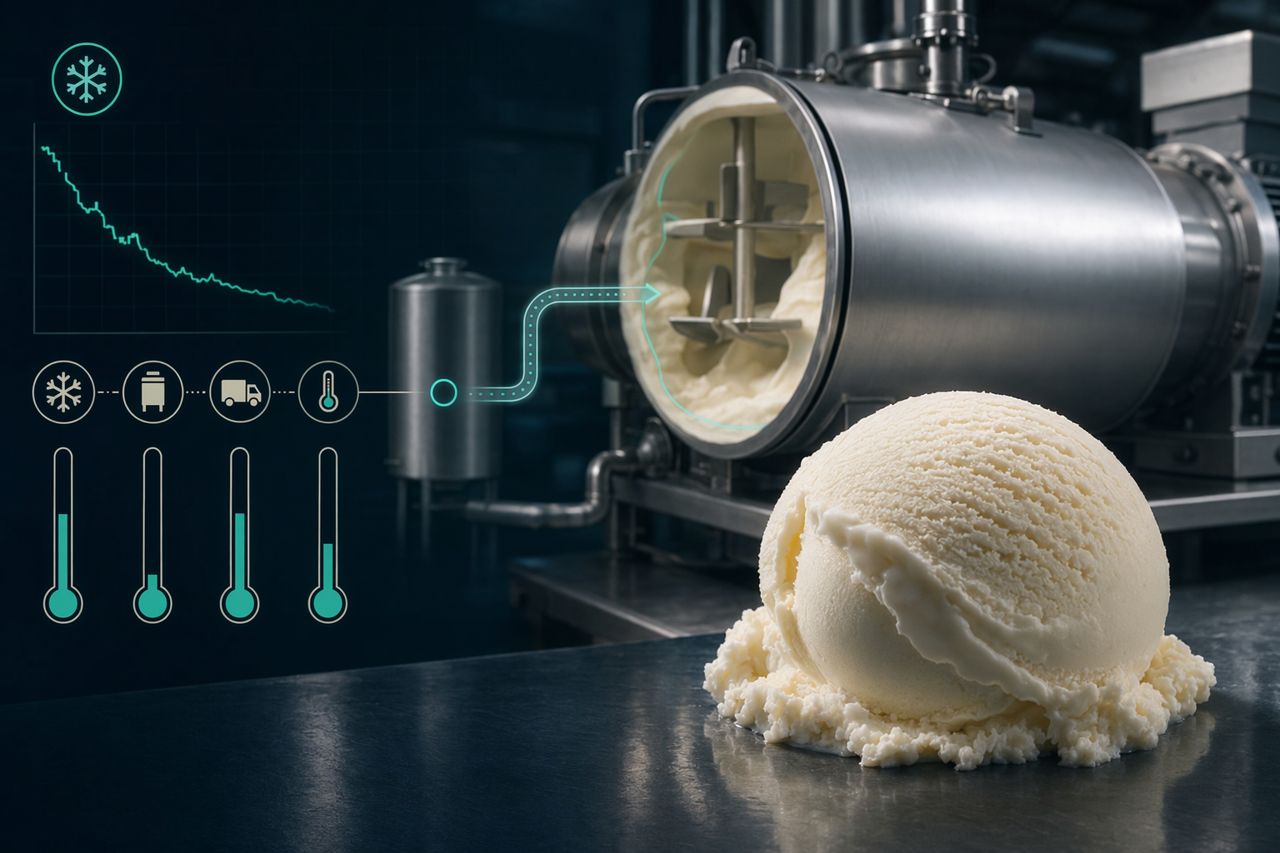
Lactase is usually applied to the dairy phase or complete mix before freezing. The right point of addition depends on plant layout, holding time, heat treatment sequence, and microbial control strategy.
Typical process routes
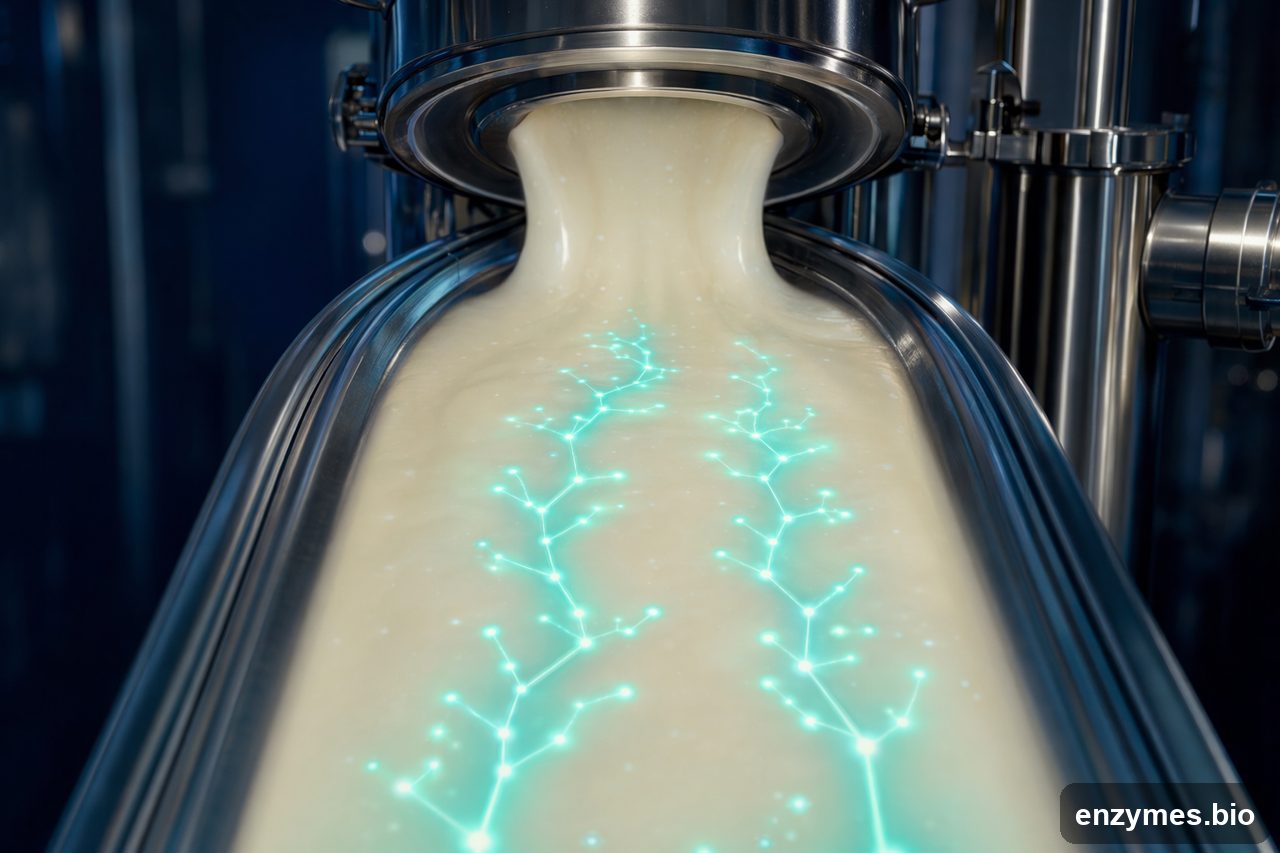
1. Hydrolysis before pasteurization
Lactase is added to a dairy stream before thermal processing. This can simplify downstream control and may be useful where the plant wants a defined conversion step before blending or pasteurization.
Best fit for: controlled dairy preprocessing, centralized mix production, larger plants with dedicated holding capacity.
2. Hydrolysis after pasteurization
Lactase is added to pasteurized mix under hygienic conditions. This route can protect enzyme performance from heat exposure, but it requires strong process discipline after pasteurization.
Best fit for: operations with sanitary dosing, validated holding conditions, and tight mix-handling control.
3. Ingredient-level hydrolysis
Dairy ingredients such as milk, cream, condensed milk, or whey-containing components are hydrolyzed before being used in the final mix.
Best fit for: multi-SKU plants, co-manufacturing, and formulas where lactose load comes from a specific dairy component.
Texture: reducing sandiness before it appears
Sandiness is often associated with lactose crystallization. It may not be obvious immediately after freezing, but can develop during storage, temperature cycling, or extended distribution. Lactase helps by reducing the lactose pool available for crystal formation.
This is especially relevant for:
- High milk-solids ice cream
- Reduced-fat formulas with elevated serum solids
- Products containing whey solids or permeate-derived dairy fractions
- Condensed milk and dulce-style frozen desserts
- Premium pints with long retail shelf life
- Export or extended cold-chain distribution
Lactase is not a substitute for full texture design. Stabilizer system, homogenization, aging time, overrun, freezing rate, and heat shock protection still matter. But when lactose is the underlying driver, lactase can remove the crystallization pressure at the source.
Sweetness and freezing behavior
Because glucose and galactose taste sweeter than lactose, lactase can increase perceived sweetness without adding external sugar. This creates both opportunity and responsibility.
Formulators should evaluate:
- Whether sucrose can be reduced while maintaining target sweetness
- Whether the product becomes too soft at serving temperature
- Whether meltdown, body, and shrinkage remain within specification
- Whether flavor release changes in vanilla, chocolate, fruit, coffee, or caramel systems
- Whether inclusions, variegates, or coatings require sweetness adjustment
In frozen dairy, one ingredient change can move multiple variables. Lactase should be evaluated as part of the full sugar and solids system, not as an isolated processing aid.
Lactase selection criteria for ice cream manufacturers
A lactase for frozen dessert manufacturing should be evaluated against the realities of commercial production, not just bench performance.
Key selection questions
- Does the enzyme fit the pH and composition of the dairy mix?
- Is the conversion profile compatible with the available holding time?
- Can it perform reliably in high-solids, high-fat, or viscous systems?
- Is the preparation suitable for the intended product positioning?
- Does the supplier provide documentation for food use and regulatory review?
- Can the material be supplied consistently across production campaigns?
- Is there clear guidance on storage, handling, and process integration?
Lactase Enzyme Solutions focuses on specification clarity, application fit, and commercial usability: the enzyme has to work in the tank, not just on paper.
Development workflow for a lactase-treated ice cream mix
A practical development program should connect enzymatic conversion to finished-product performance.
Step 1: Define the target
Clarify whether the goal is lactose reduction, texture improvement, sugar reduction, clean-label sweetness, or a combination. This determines the conversion target and process route.
Step 2: Map lactose sources
Calculate lactose contribution from milk, cream, skim milk powder, condensed milk, whey solids, permeate, and other dairy-derived inputs. High-load components may benefit from ingredient-level treatment.
Step 3: Choose the addition point
Select pre-pasteurization, post-pasteurization, or ingredient-level hydrolysis based on food safety controls, tank availability, holding time, and heat exposure.
Step 4: Run pilot batches
Compare untreated and lactase-treated mixes under identical freezing, aging, overrun, and storage conditions. Evaluate sweetness, scoopability, iciness, meltdown, body, and flavor balance.
Step 5: Validate through shelf life
Assess texture after temperature cycling and extended frozen storage. Lactose crystallization problems often show up late, so short sensory checks may miss the real risk.
Troubleshooting guide
| Observation | Likely cause | Development response |
|---|---|---|
| Product is sweeter than intended | High lactose conversion without sugar rebalance | Reduce sucrose or syrup contribution and recheck flavor release |
| Product is too soft | Higher monosaccharide load changed freezing profile | Adjust total sugars, solids, stabilizer system, or serving-temperature assumptions |
| Sandiness remains | Lactose load still high or heat shock is severe | Recheck lactose sources, conversion target, and cold-chain stress |
| Conversion is inconsistent | Variable holding time, temperature, mix composition, or dosing control | Tighten process window and standardize the addition point |
| Flavor balance shifts | Sugar profile changed perception of dairy, cocoa, fruit, or caramel notes | Rebalance flavor system after conversion, not before |
Applications beyond traditional ice cream
Lactase can support a broad range of frozen dairy and hybrid products:
- Lactose-reduced premium pints
- Soft serve mixes
- Gelato-style dairy desserts
- Frozen yogurt concepts
- Milkshake bases
- High-protein frozen dairy desserts
- Reduced-sugar dairy desserts
- Whey-containing frozen systems
- Private-label lactose-free programs
Each application has a different balance of sweetness, solids, freezing behavior, and claim requirements. The enzyme strategy should match the product brief.
Specification support for B2B buyers
Procurement teams need more than a sample. They need supply confidence, documentation, and a product that can be integrated into quality systems.
Lactase Enzyme Solutions can support commercial discussions around:
- Food-grade lactase options for dairy processing
- Technical documentation for internal review
- Allergen and dietary-positioning information where applicable
- Recommended storage and handling conditions
- Batch-to-batch specification consistency
- Scale-up planning for pilot and production trials
- Formulation discussion for ice cream, gelato, soft serve, and frozen dairy dessert systems
Request pricing or technical fit guidance
We supply lactase for ice cream, gelato, soft serve and frozen dairy desserts.
Our stock grade is acid lactase powder in 1 kg packs, in three activity grades. For neutral liquid grades, ask us.
Send us:
- the mix type and its milk solids level
- where the enzyme goes in (before or after pasteurization, during ageing)
- the quantity per order or per month
- the delivery country
Prices, quantities and lead times are quoted per order.
60-second explainer
The short video on this page shows how lactose conversion connects to texture, sweetness and processing in frozen dairy.