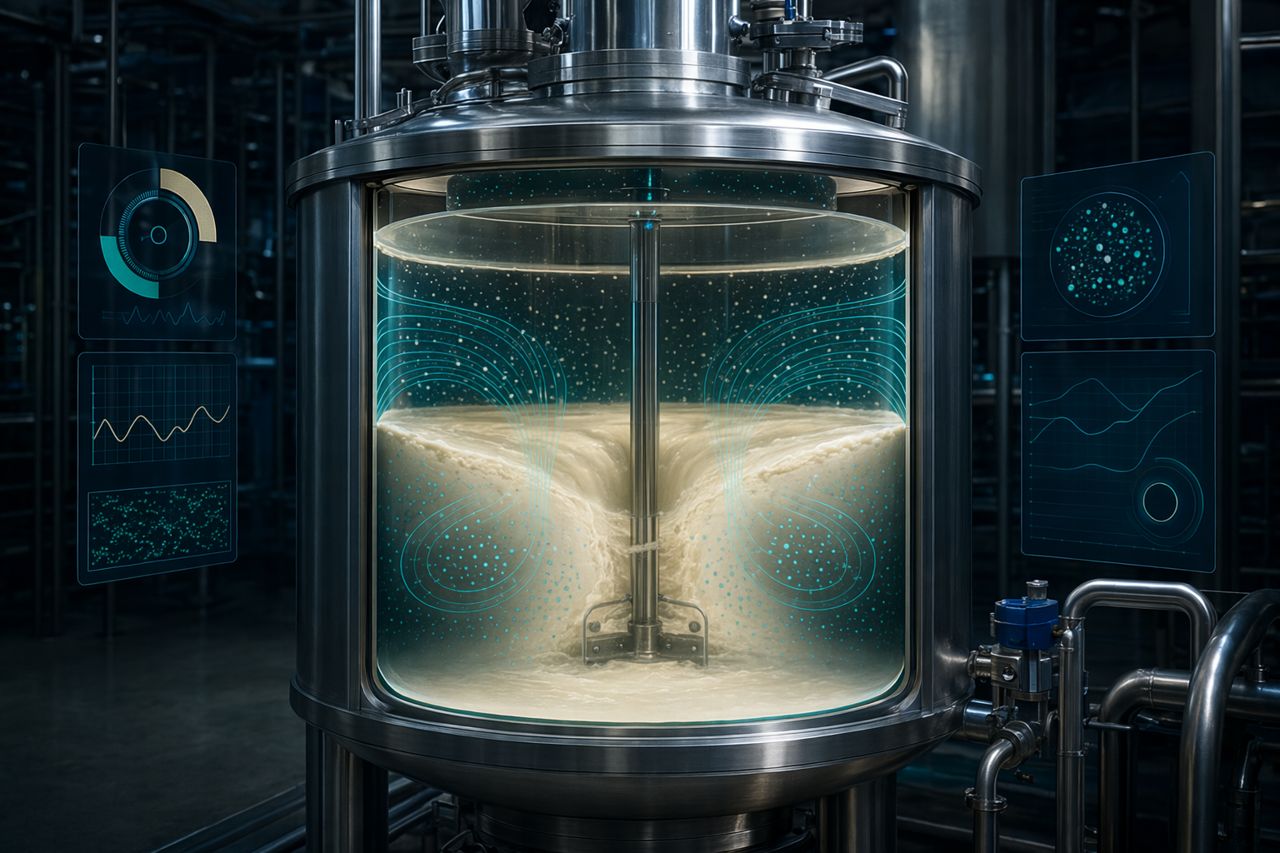
Lactase performance is not controlled by the enzyme alone. It is controlled by the process environment around it: substrate composition, pH, temperature, contact time, mixing, heat history, and the commercial target you need to hit.
For dairy manufacturers, beverage developers, and ingredient processors, the goal is rarely just “hydrolyze lactose.” The real goal is tighter control over residual lactose, predictable sweetness, stable texture, efficient tank time, and a label position that works in-market.
This guide is for dairies, ingredient makers and distributors buying lactase in bulk: it lists the process variables that decide which grade to order and how much of it.
Wholesale and bulk supply for manufacturers and resellers. Request a quote with the product, the quantity and the delivery country. Prices and lead times are quoted per order.
What lactase does in dairy systems
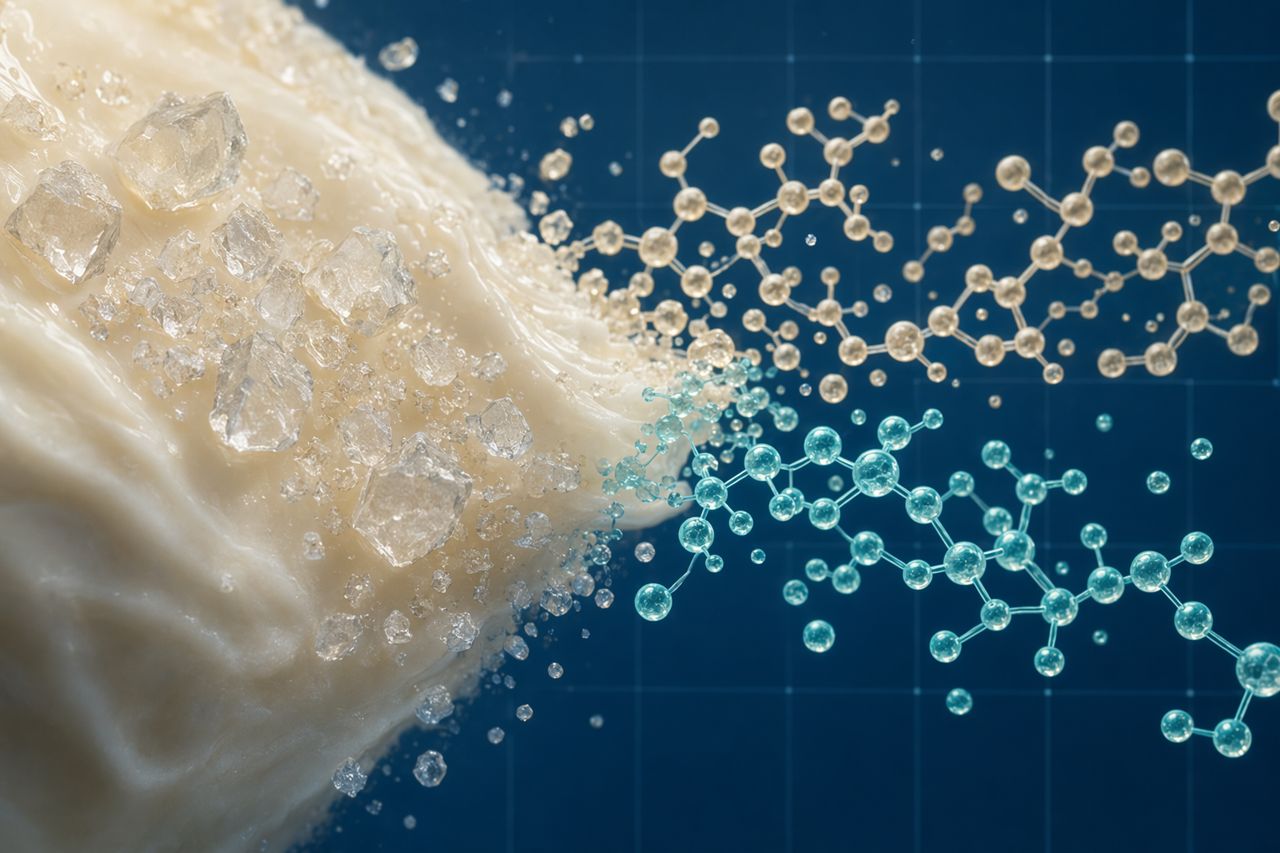
Lactase hydrolyzes lactose into glucose and galactose. That single conversion can change several commercial and sensory outcomes:
- Lower lactose content for lactose-reduced or lactose-free positioning
- Higher perceived sweetness without adding sucrose or high-intensity sweeteners
- Improved solubility behavior by reducing lactose crystallization risk in concentrated systems
- Cleaner label formulation by using enzymatic conversion rather than added sweetening systems
- More controlled downstream processing when hydrolysis is integrated before fermentation, concentration, freezing, or drying
Because glucose and galactose taste sweeter than lactose, hydrolysis is both a nutritional and formulation lever. The process must be designed around the intended outcome.
1. Substrate composition: lactose is only part of the matrix
Lactase works on lactose, but it performs inside a complex food matrix. Milk, whey, cream blends, fermented bases, and high-solids concentrates all create different enzyme environments.
Key matrix variables include:
- Initial lactose level: Higher lactose concentration can support more conversion potential but may require more careful time and mixing management.
- Total solids: High-solids systems can slow mass transfer and make uniform enzyme contact more difficult.
- Fat and protein structure: Emulsified fat and protein networks can influence viscosity, heat transfer, and mixing efficiency.
- Mineral balance: Calcium, phosphate, and salts can affect process behavior, especially in concentrated dairy streams.
- Added ingredients: Stabilizers, cocoa, coffee, fruit preparations, flavors, fibers, and sweetener systems may change pH, viscosity, or enzyme access.
For B2B specification work, the enzyme should be evaluated in the actual commercial formulation—not only in a simplified lab substrate.
2. pH: match the lactase profile to the application
Different lactase sources are designed for different pH environments. Selecting the wrong profile can create slow conversion, inconsistent residual lactose, or unnecessary process time.
Neutral dairy systems
Milk, lactose-free milk, dairy beverages, and many whey streams typically require a lactase profile that performs reliably near neutral dairy conditions.
Acidic or fermented systems
Yogurt bases, acidified beverages, and certain fermented dairy systems may require lactase with better tolerance in lower-pH environments, depending on whether hydrolysis is performed before or after acid development.
Practical takeaway
Do not select lactase by name alone. Select it by matrix pH, process sequence, target residual lactose, and holding conditions.
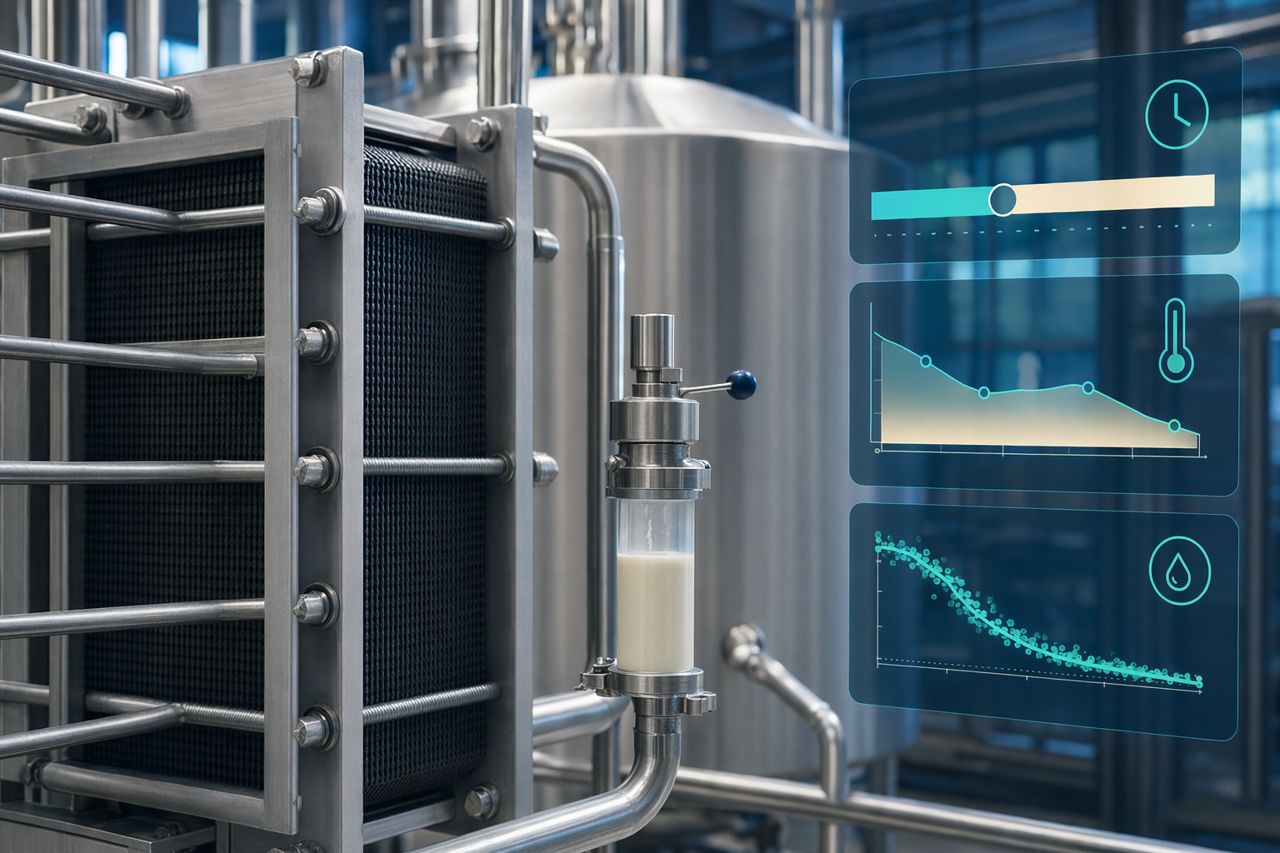
3. Temperature: balance speed, stability, and product quality
Temperature is one of the strongest drivers of reaction speed, but it also influences enzyme stability and product quality.
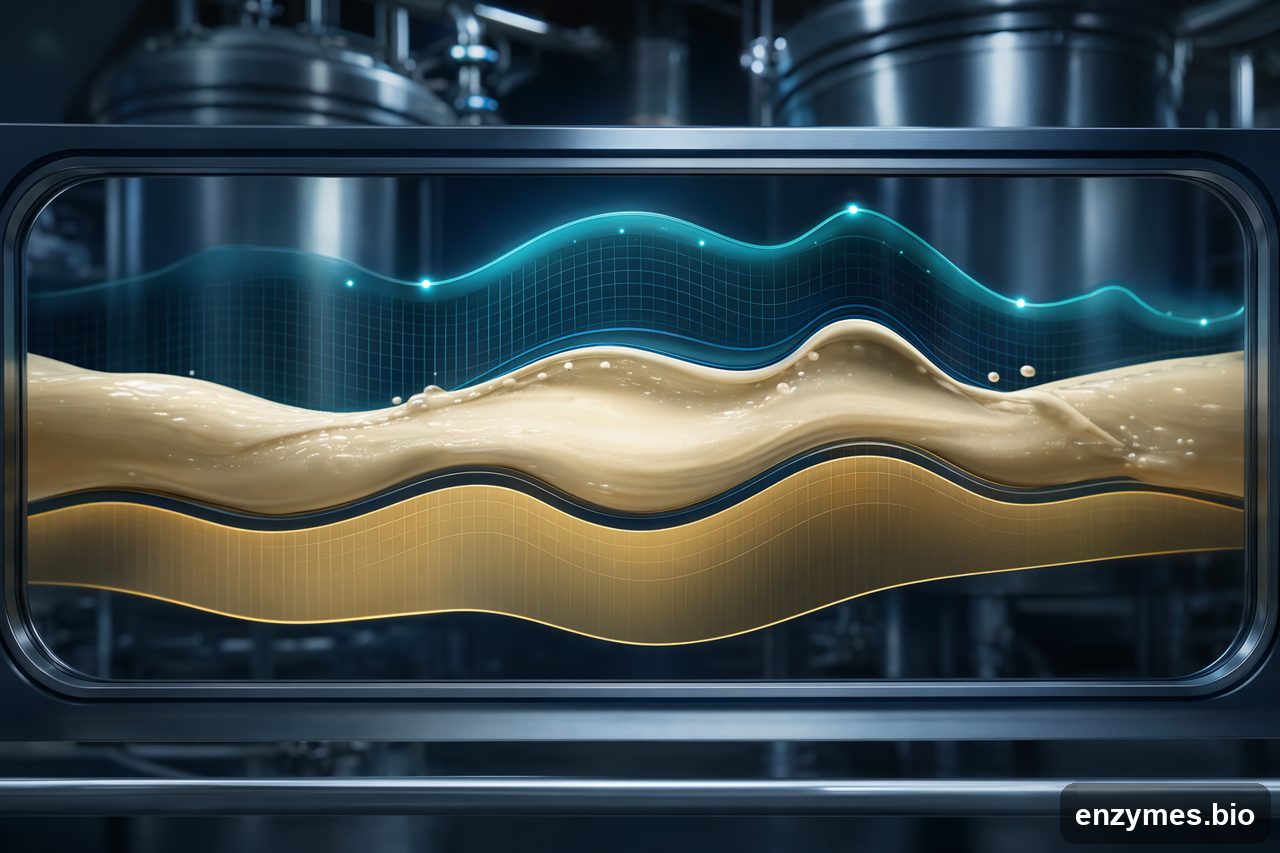
Higher processing temperatures can accelerate hydrolysis up to the enzyme’s practical operating window. Beyond that window, performance may decline. Lower temperatures can preserve product quality and fit chilled processing, but they usually require longer contact time.
Process teams should evaluate temperature against four questions:
- Does the temperature support the required hydrolysis rate?
- Does it maintain enzyme functionality through the intended hold?
- Does it protect the dairy matrix from cooked notes, fouling, or protein damage?
- Does it fit the plant’s existing pasteurization, storage, and filling sequence?
The most efficient process is not always the hottest process. It is the process that reaches the lactose target reliably with minimal disruption to throughput and quality.
4. Contact time: conversion continues until the system stops it
Lactase requires contact time with the lactose-containing matrix. The correct time depends on enzyme selection, addition strategy, temperature, pH, solids, and target specification.
Common process approaches include:
- Pre-hydrolysis in raw or pasteurized milk before final heat treatment
- In-tank hydrolysis during controlled holding
- Cold hydrolysis for chilled dairy systems where flavor protection is important
- Post-blend hydrolysis when ingredients are added before conversion
- Hydrolysis before concentration or drying to manage crystallization and sweetness
Contact time must be validated against the plant’s real operating pattern, including filling delays, tank turnover, and hold variability.
5. Enzyme addition and distribution: mixing quality matters
Even a well-selected lactase can underperform if it is not evenly distributed.
Important handling points:
- Add lactase into a zone with sufficient movement for rapid dispersion.
- Avoid dead zones in tanks, totes, or recirculation loops.
- Confirm that high-viscosity products receive adequate mixing time.
- Sequence enzyme addition so it is not immediately exposed to unnecessary heat stress.
- Protect the enzyme from localized extremes in pH, temperature, or concentration.
For large tanks, distribution is often the difference between an average conversion target and a consistently compliant batch.
6. Heat treatment: know when lactase is active and when it is stopped
Thermal steps can be used strategically. In many dairy processes, lactase is added before a defined hold and then deactivated or largely stopped by later heat treatment. In other processes, the enzyme may remain active through chilled storage depending on the formulation and process design.
This matters because continued hydrolysis can alter sweetness over shelf life. A product that tastes balanced at filling may become noticeably sweeter if residual activity continues.
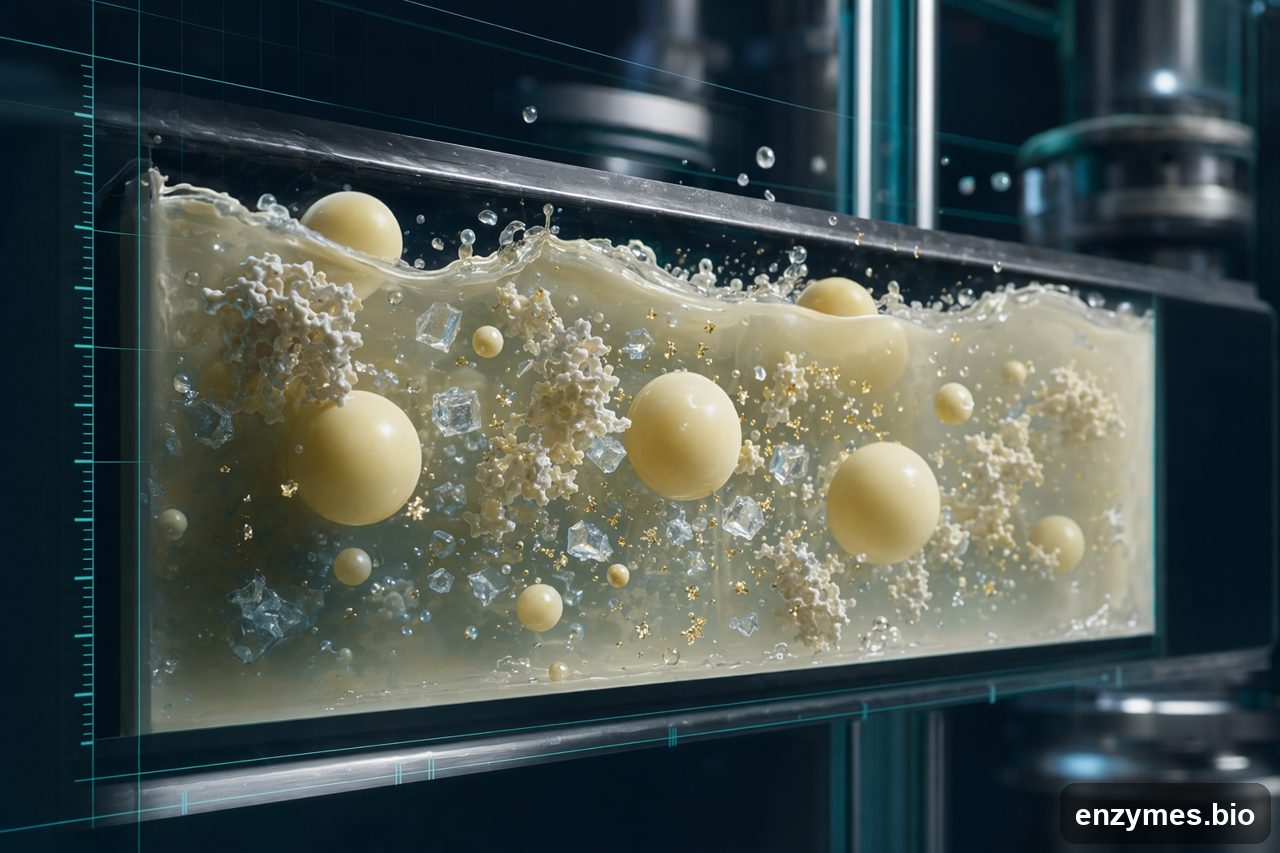
Process design should define:
- When the enzyme is added
- How long it remains active
- Whether a heat step is used to stop or reduce activity
- What sensory profile is expected at the end of shelf life
7. Target lactose claim: define the specification before the trial
“Lactose reduced” and “lactose free” can mean different things depending on market, regulation, and customer specification. The enzyme program should be built around the claim and the test plan.
Before evaluating lactase, align on:
- Target residual lactose level
- Product category and label claim
- Sampling point for release testing
- Shelf-life sweetness expectations
- Whether hydrolysis occurs before or after other process steps
- Required documentation for customer approval
This avoids under-processing, over-processing, and late-stage reformulation.
8. Sweetness control: hydrolysis changes the taste architecture
Lactase does not only reduce lactose. It increases perceived sweetness by converting lactose into sweeter sugars. That can be a commercial advantage, especially in milk beverages, flavored dairy, protein drinks, and reduced-sugar formulations.
However, sweetness must be managed intentionally. Higher hydrolysis can reduce the need for added sugar, but it may also require changes to flavor, acidity, cocoa level, coffee profile, fruit preparation, or stabilizer balance.
Use lactase as a formulation tool, not just a compliance tool.
9. Downstream stability: lactose conversion affects texture and crystallization
In concentrated dairy, frozen desserts, dulce-style systems, fillings, and powders, lactose behavior can affect texture and shelf stability. Hydrolysis reduces intact lactose and can help manage crystallization-related defects.
Applications where this matters include:
- Ice cream and frozen dairy desserts
- Sweetened condensed dairy systems
- Whey-based ingredients
- High-protein dairy beverages
- Dairy powders and dry blends
- Cream liqueur bases and indulgent beverages
The correct degree of hydrolysis depends on the product’s solids level, water activity, processing sequence, and target texture.
10. Inhibitors, preservatives, and sanitation residues
Commercial formulas may include ingredients that reduce enzyme performance or create inconsistent results. Sanitation carryover, preservatives, aggressive acidity, high salt systems, and certain flavor components can affect enzyme compatibility.
Before scale-up, review:
- Cleaning and rinse verification around enzyme addition points
- Preservative systems and timing of addition
- Acidulants and buffering behavior
- Ingredient concentrates with low pH or high osmotic load
- Compatibility with color, flavor, and stabilizer systems
A small incompatibility can become a large batch-control problem at production scale.
11. Storage and handling of lactase
Enzyme quality depends on controlled storage and disciplined handling. Exposure to heat, repeated opening, contamination, or poor inventory rotation can reduce reliability.
Recommended operational controls:
- Store according to the supplied specification.
- Keep containers closed when not in use.
- Avoid unnecessary temperature cycling.
- Use clean dosing equipment.
- Track lot usage against production batches.
- Confirm shelf-life status before plant trials and scale production.
Reliable lactase performance starts before the enzyme enters the tank.
12. Scale-up: pilot data must be translated, not copied
Pilot trials are essential, but scale-up changes mixing, heat transfer, hold time, and sampling accuracy. A result achieved in a small vessel may not transfer directly to a production tank.
During scale-up, monitor:
- Enzyme addition point and dispersion time
- Product temperature profile across the tank
- Actual hold time, not just planned hold time
- Sampling location and sample handling
- Batch-to-batch raw material variation
- Sensory profile at release and through shelf life
The best lactase programs are built with both formulation science and plant reality in view.
Practical checklist for lactase process design
Use this checklist before selecting or validating a lactase solution:
- What is the target residual lactose specification?
- Is the product neutral, acidic, fermented, concentrated, frozen, or dried?
- What is the actual pH at enzyme addition?
- What temperature window is available without damaging product quality?
- How much contact time does the plant process realistically allow?
- Will the enzyme be stopped by heat treatment, or may activity continue?
- Does hydrolysis support or disrupt the desired sweetness profile?
- Are stabilizers, flavors, preservatives, or sanitation residues compatible?
- Is the enzyme added where mixing is strong and uniform?
- What documentation is required for customer, regulatory, or quality approval?
What to send with an inquiry
The checklist above is also the inquiry: the product, the pH and temperature at the point of dosing, the hold time, whether a heat step follows, and the lactose target. Add the quantity per order or per month and the delivery country.
Request pricing or specification support
We supply lactase for dairy, beverage, whey, frozen dessert and ingredient applications.
Our stock grade is acid lactase powder in 1 kg packs, in three activity grades. For neutral liquid grades, ask us.
Send us:
- the product you make and where the enzyme goes in
- the quantity per order or per month
- the delivery country
- pH, temperature and hold time at the point of dosing
Prices, quantities and lead times are quoted per order.