Lactase for yogurt and fermented dairy
Yogurt makers are being asked for lower lactose, fewer added sugars and the same texture at high line speed. We supply lactase in bulk to yogurt, kefir-style drink and cultured dessert producers, and to the distributors that serve them.
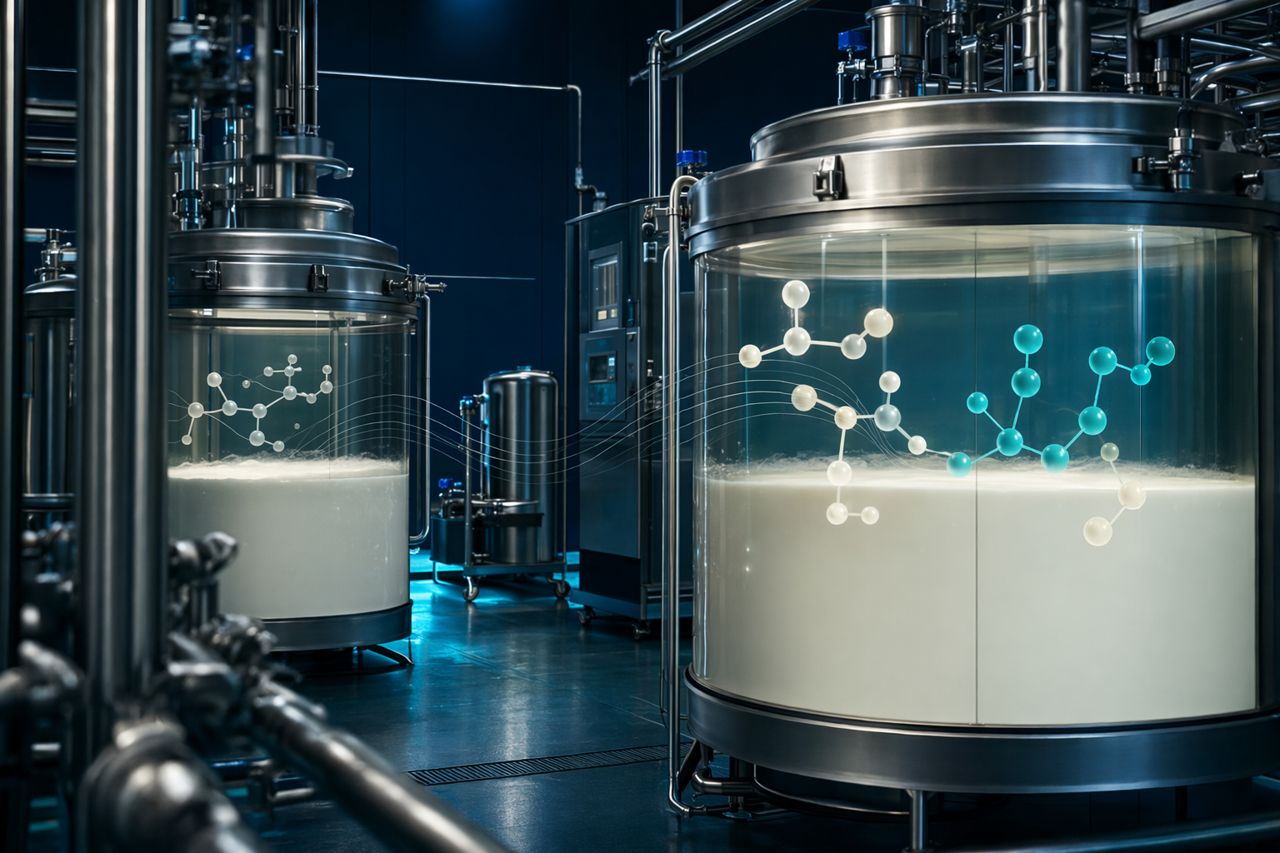
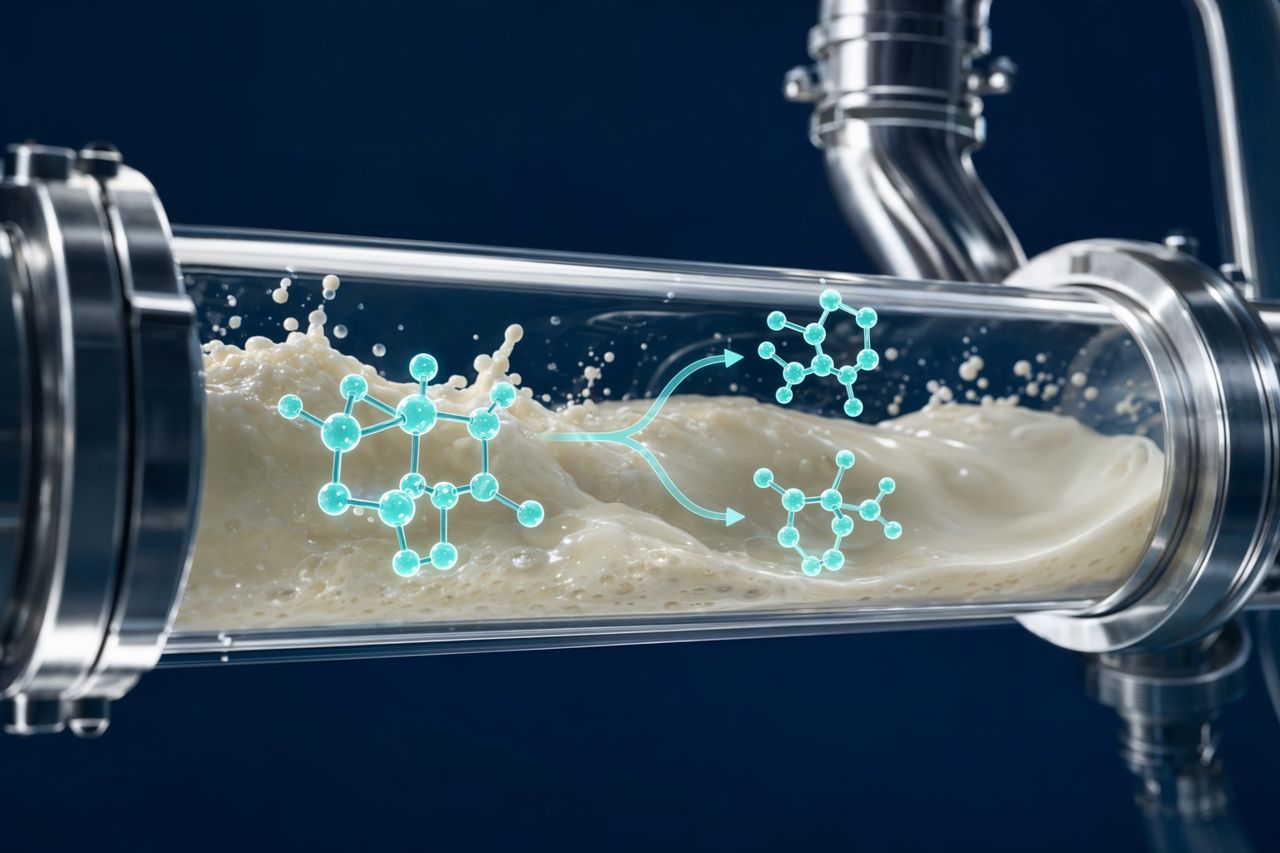
Lactase hydrolyzes lactose into glucose and galactose. In fermented dairy, that conversion can reduce residual lactose while increasing perceived sweetness from the dairy solids already present in the formulation. The result is a more flexible base for lactose-reduced positioning, sugar reduction work, and clean-label formulation.
Wholesale and bulk supply for yogurt makers and resellers. Request a quote with the product, the quantity and the delivery country. Prices and lead times are quoted per order.
What lactase helps you control
- Lactose reduction: Support lactose-reduced fermented dairy formats with defined conversion targets.
- Sweetness balance: Increase natural sweetness perception without automatically increasing added sugar.
- Process fit: Use before or during fermentation depending on product architecture, holding time, culture system, and heat step design.
- Cleaner labels: Build sweetness and digestibility claims from milk sugar conversion rather than extra sweetener complexity.
- Batch consistency: Align enzyme selection, addition point, and process timing with commercial production realities.
- Specification support: Receive documentation aligned to procurement, QA, and product development requirements.
Application fit
Spoonable yogurt
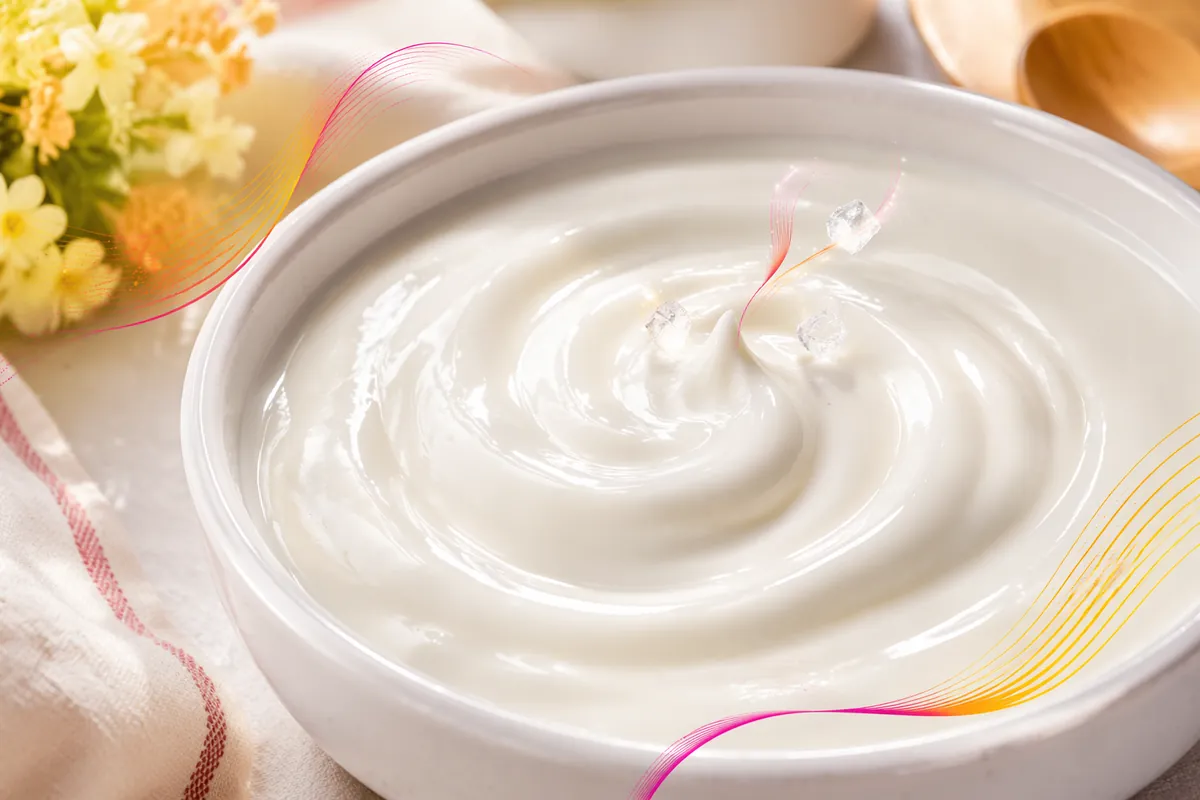
Lactase can be integrated into the milk base to support lactose reduction before the culture reaches final acidity. This is useful for plain yogurt, flavored yogurt, high-protein yogurt, and products where sweetness must remain controlled after fruit, flavor, or stabilizer systems are added.
Drinkable yogurt and kefir-style beverages
For cultured dairy drinks, lactase supports a softer sweetness profile and lower lactose content while helping formulators avoid overbuilding sweetness with added sugars. It can also help standardize sensory perception when milk solids vary by season or supply source.
Fermented dairy desserts
In custard-style, set, or aerated fermented desserts, lactose hydrolysis can contribute sweetness without moving the ingredient list toward heavier sweetener systems. Lactase Enzyme Solutions helps teams evaluate enzyme timing against heat treatment, culture behavior, target acidity, and final sensory profile.
Process integration options
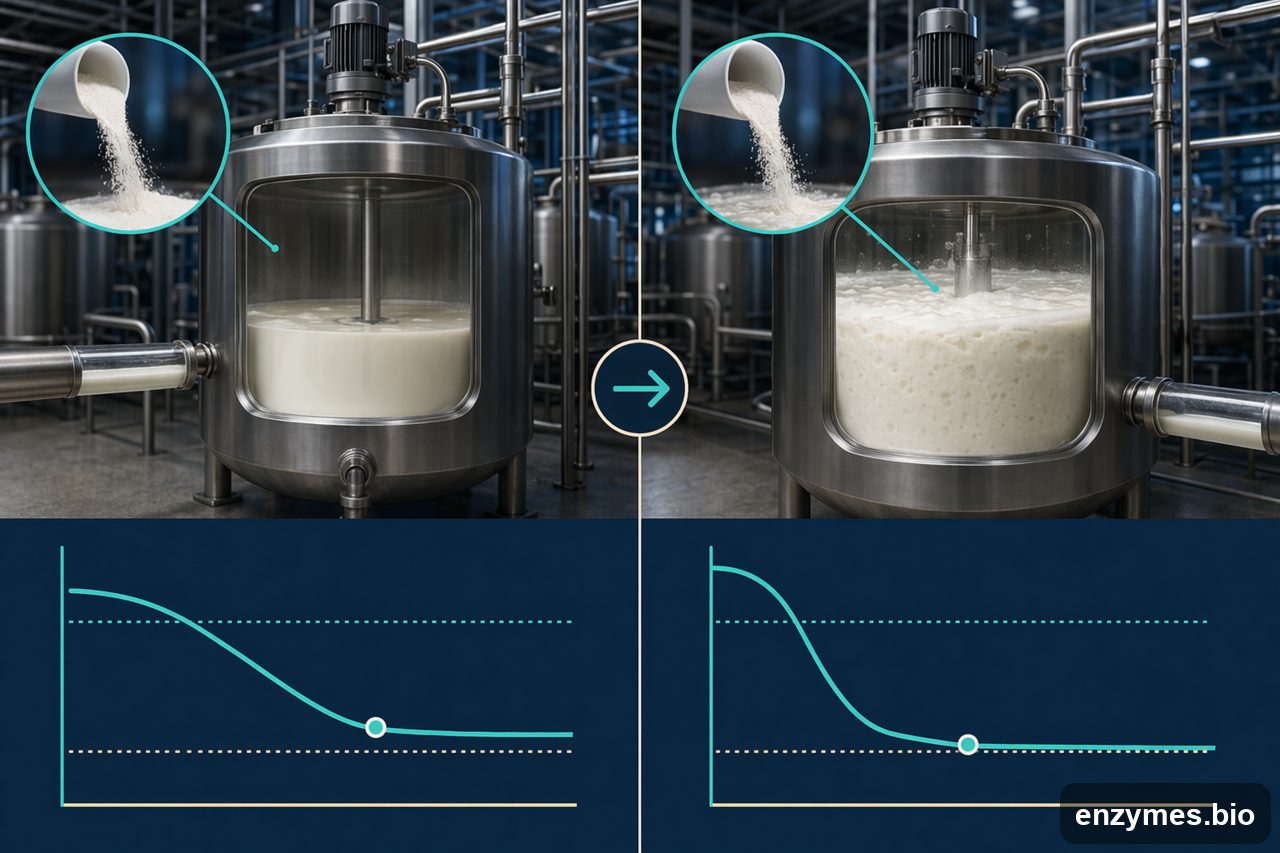
Pre-fermentation lactose hydrolysis
Lactase is added to the dairy base before inoculation or before the main fermentation window. This approach gives producers more control over the lactose conversion profile before culture activity dominates the process.
Hydrolysis during fermentation
Lactase can be added alongside or close to culture addition, allowing lactose conversion and acidification to proceed within the same production window. This can be attractive where tank time is limited, but it requires closer alignment between enzyme performance and fermentation kinetics.
Post-blend formulation support
For fermented bases that are blended with fruit, flavors, protein systems, or stabilizers, lactase planning should happen upstream. The best result is usually achieved when lactose conversion is designed into the dairy phase rather than treated as a last-minute correction.
Commercial advantages for producers
- Reduce formulation pressure: Use lactose conversion to help manage sweetness before adding flavor systems.
- Support premium claims: Build lactose-reduced and reduced-sugar product concepts with a science-backed dairy process.
- Protect sensory targets: Avoid excessive sweetness in fruit-on-bottom, indulgent, or high-protein formats.
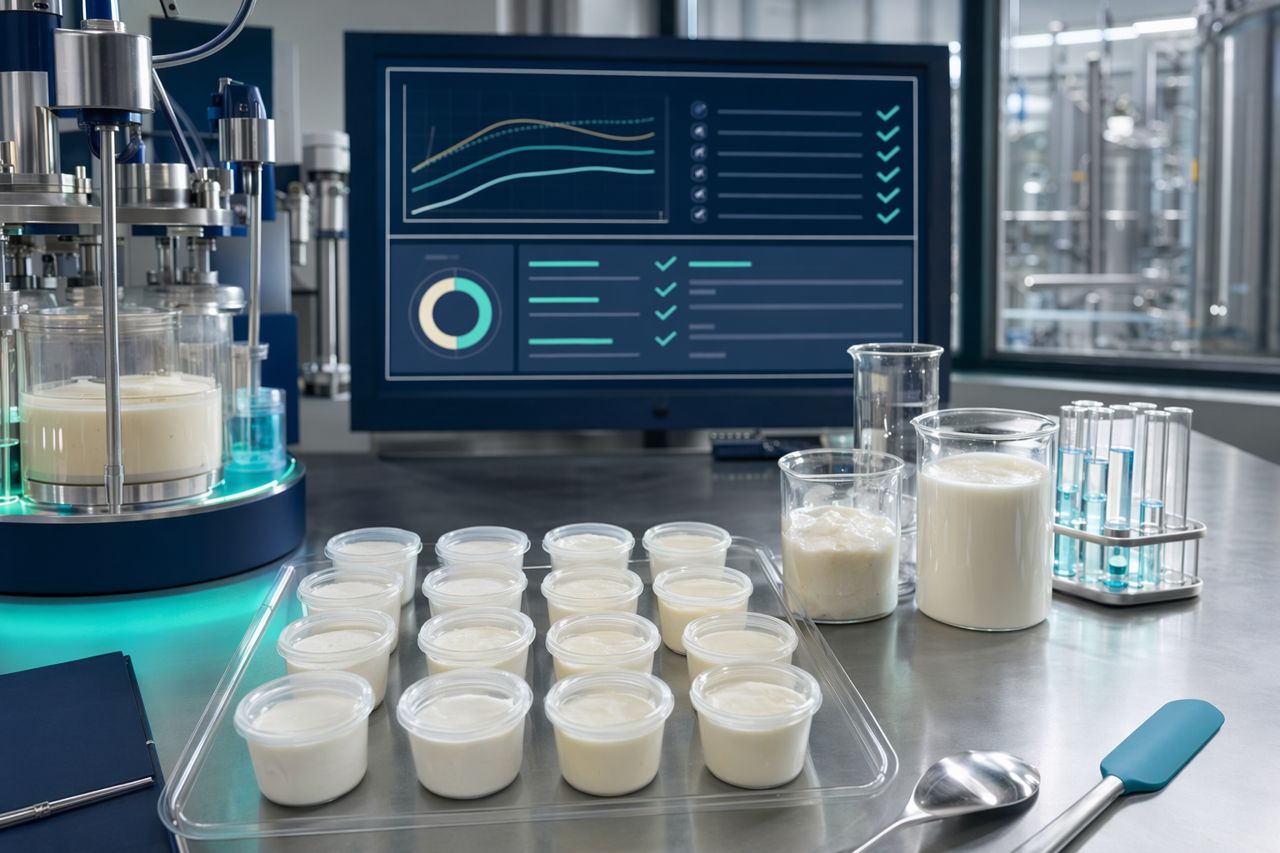
- Improve development speed: Start trials with a clear enzyme selection, addition point, and sampling plan.
- De-risk scale-up: Translate bench learning into plant conditions with attention to temperature profile, pH movement, hold time, and heat exposure.
Selection criteria
The right lactase for fermented dairy depends on the process, not just the ingredient name. Lactase Enzyme Solutions helps evaluate:
- Milk base composition and total solids
- Target residual lactose range
- Fermentation temperature profile
- Culture type and acidification curve
- Desired sweetness lift
- Heat steps before and after enzyme addition
- Processing window and tank utilization
- Label, allergen, and documentation requirements
Quality and documentation
Lactase Enzyme Solutions supports B2B procurement and technical teams with specification-led supply. Available documentation may include product specification, allergen statement, origin information, compliance statements, safety documentation, and handling guidance. Trial recommendations are built around your target process and finished-product goals without disclosing proprietary assay methodology.
Request pricing or a technical quote
We supply lactase for spoonable yogurt, drinking yogurt, kefir-style drinks and cultured desserts.
Our stock grade is acid lactase powder in 1 kg packs, in three activity grades. For neutral liquid grades, ask us.
Send us:
- the product and where the enzyme goes in (before, during or after fermentation)
- the milk base pH and temperature at the point of dosing
- the quantity per order or per month
- the delivery country
Prices, quantities and lead times are quoted per order.
Prefer to speak with a technical contact?
Send your product format, process stage and target launch date through the inquiry form. We reply with the grade that fits and a quote.